
Plate 21 · Books

1896

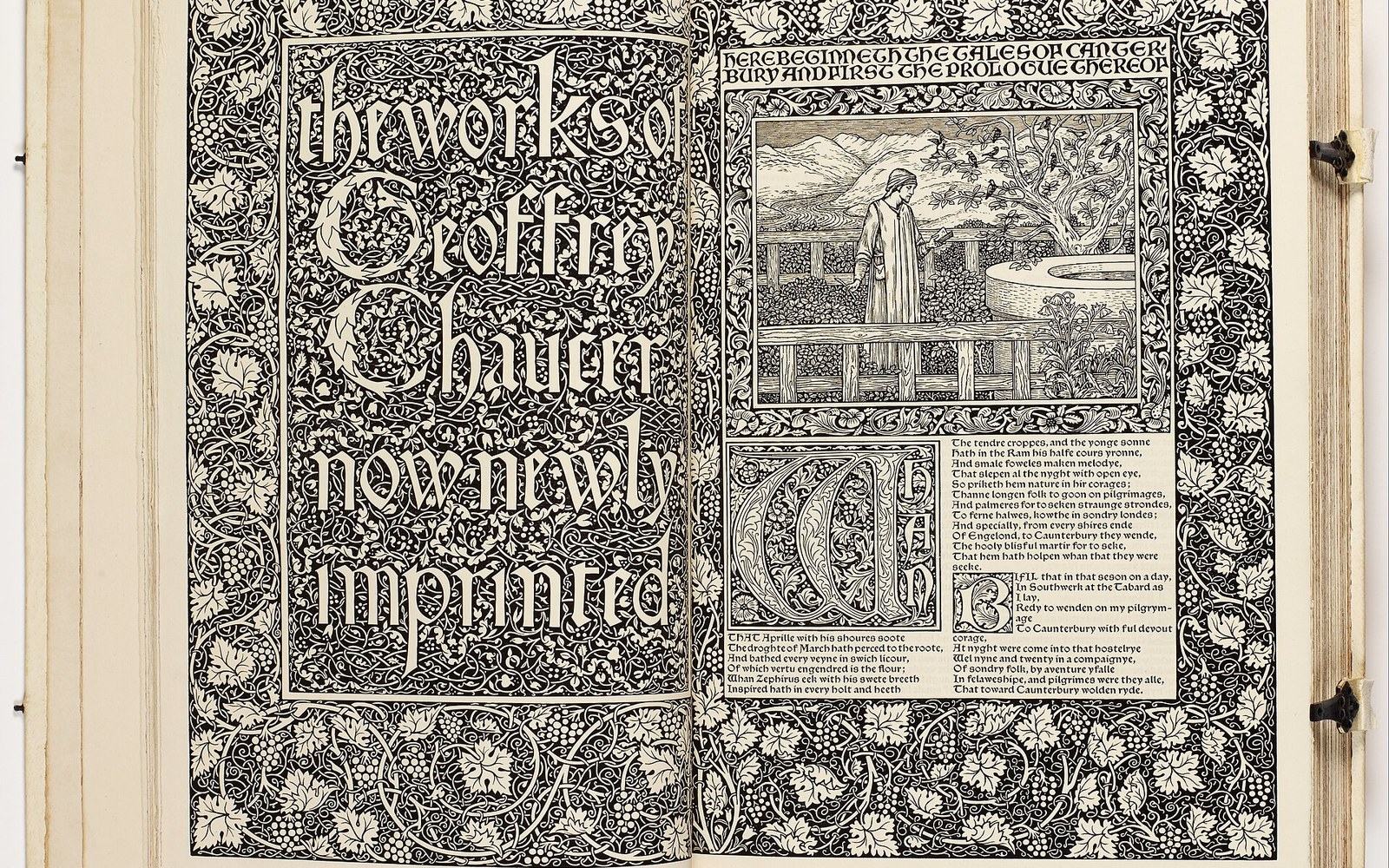
Four years' work, 556 pages, 87 woodcuts

William Morris built a press to argue with the printing industry, and produced the book that won it

The Golden type was cut from a Jenson model, the paper was made by hand at Joseph Batchelor's mill, and Edward Burne-Jones drew the illustrations. The Kelmscott Chaucer came off the press in 1896.

Read the piece

Open book showing an ornate title page and illustrated Canterbury Tales prologue with floral borders
Plate 21

Morris's Golden type, a hand-cut border on the page, and a Burne-Jones woodcut set into the text block — every element drawn for this one book.

Photo: William Morris - The Works of Geoffrey Chaucer (The Kelmscott Chaucer) - Google Art Project · Wikimedia Commons

An illuminated "I heart NY" sign hangs above a storefront entrance at night

Three characters of American Typewriter and one red heart, still being reproduced on the street it was drawn for.

Photo: Abhilash G / Pexels

Plate 16 · the piece to read first

Milton Glaser sketched it in the back of a taxi, and it has been copied without licence ever since

A 1977 commission from New York State's Commerce Department, drawn in American Typewriter with a red heart standing in for a word. Glaser's own account of the sketch, and the mark's second life as a global template nobody paid for.

Three characters and a heart: the mark works because the reader finishes it.

Read the piece

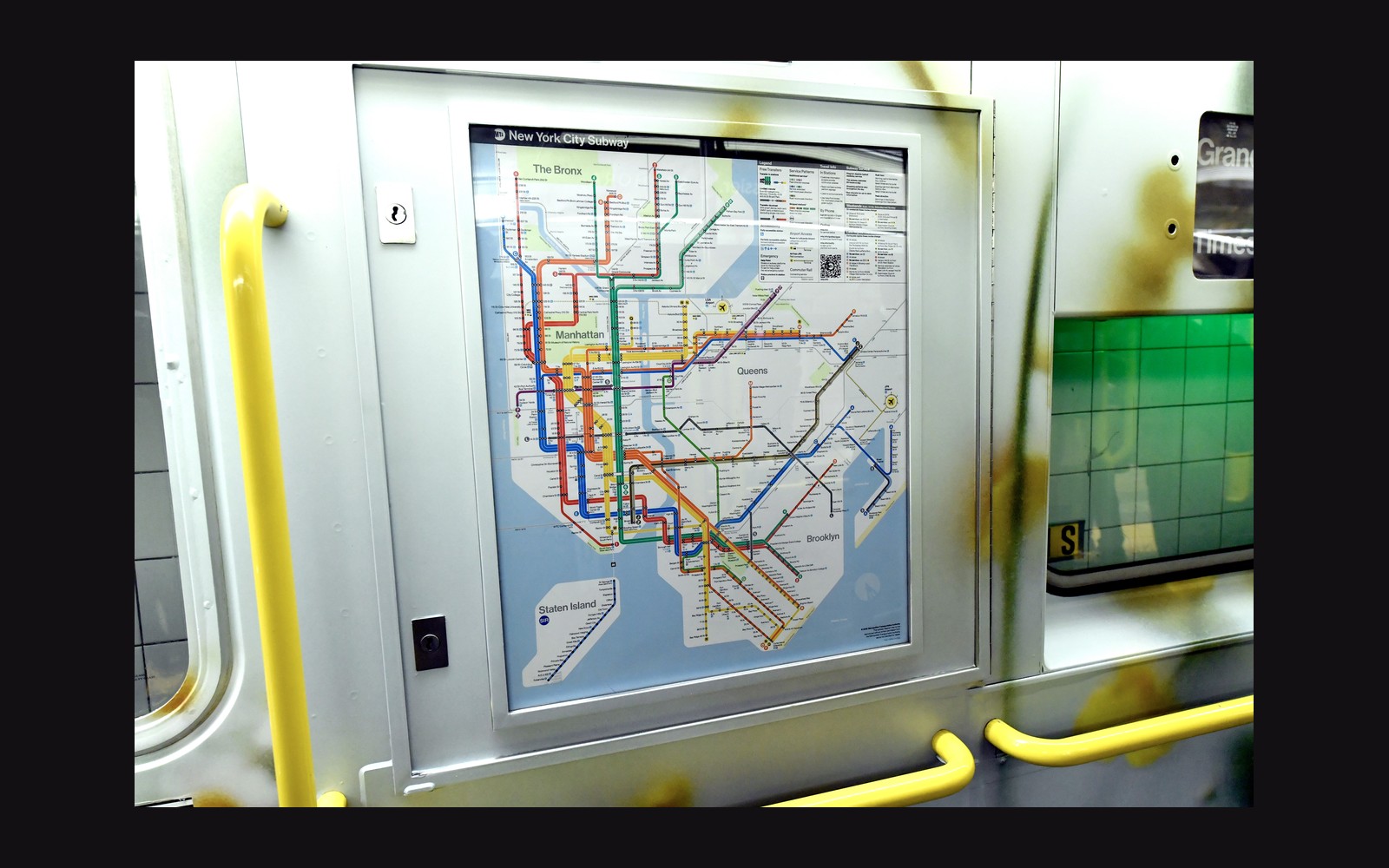
Four plates, four decades: a face, a map, an icon set and a cover grid

Plates 03 · 19 · 26 · 22

Typefaces

The leg of the R is where you tell one grotesque from the next

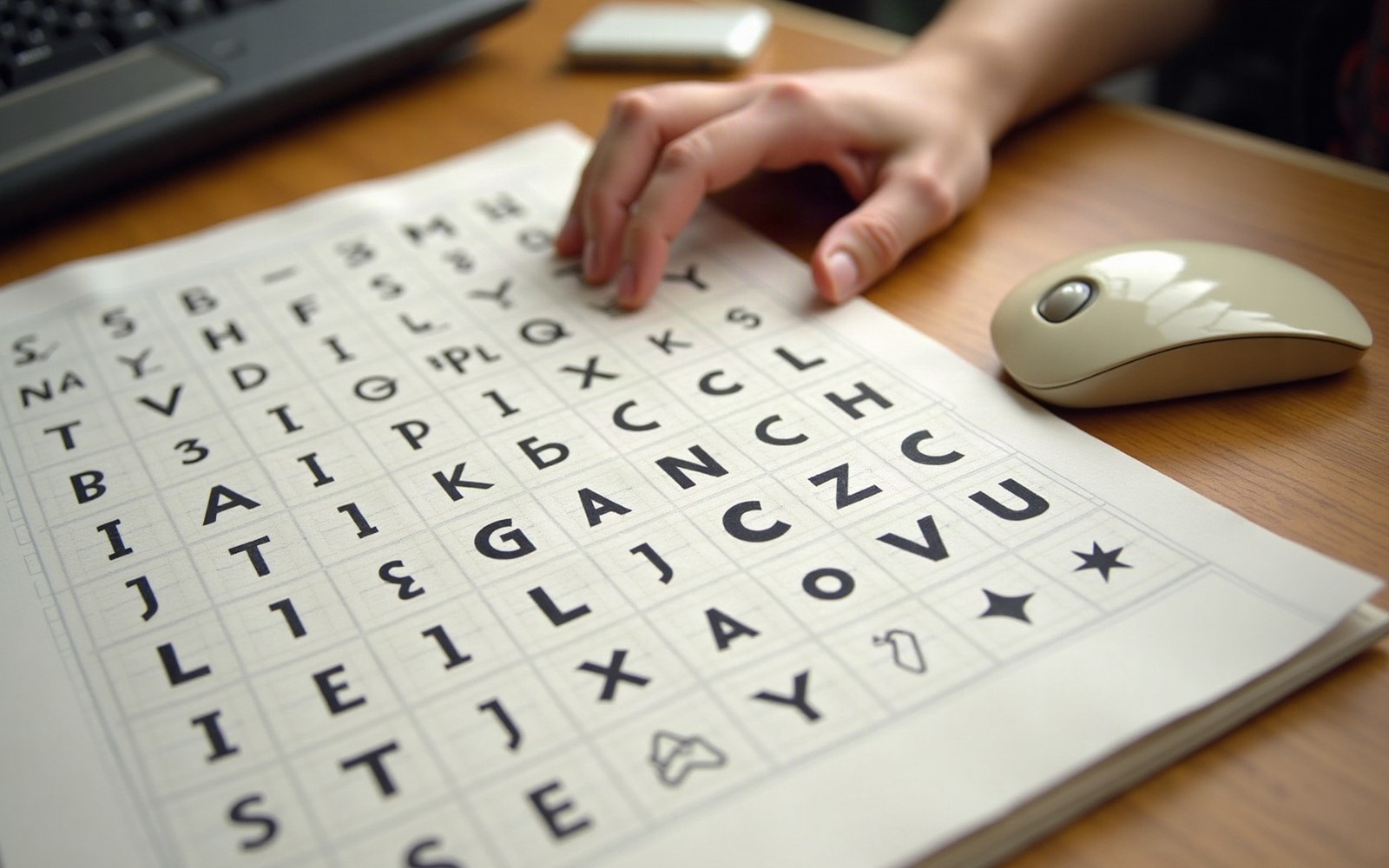
Akzidenz-Grotesk, Helvetica, Univers and Futura keep their differences in a handful of letters — the R's leg, the a's bowl, the terminal on the t. Six plates hold the named faces as objects: the foundry, the year, the specimen sheet.

The Typefaces section

The archive holds the whole run, oldest object first

Every plate, every typeface and every dated object on one page — the piece, the section it belongs to and the line that says what it covers.

Open the archive

29Plates, numbered in one run
6Sections, from punchcutters to screens
16th c.Earliest object in the record